
⏱ 7 min read
The air in our neighbourhood, a familiar hum of anticipation, tells me it’s that time of year again. It’s not just the shops overflowing with shimmering fabrics and fragrant marigolds; it’s the collective breath held, the shared excitement for the traditions that bind us. Every year, as the monsoon recedes, a different kind of magic begins to brew.
Key Takeaways:
- Understand the deep emotional and spiritual significance of festival preparations in India.
- Discover the intricate rituals and community involvement that define these celebrations.
- Learn how seemingly mundane tasks become sacred acts, connecting generations.
- Appreciate the surprising ways modern life blends with ancient traditions during festive times.
The days leading up to Diwali in my childhood home in Mathura were a whirlwind. My mother, a seasoned conductor of this annual symphony, would orchestrate everything with a serene focus that always amazed me. Cleaning the house wasn’t just a chore; it was a ritual purification, a welcoming of Goddess Lakshmi. Every corner, every cupboard, was meticulously scrubbed. Dust bunnies were banished with the same seriousness one might approach warding off evil spirits. We kids, initially reluctant, would soon get caught up in the frenzy, armed with dusters and a competitive spirit to see who could spot the most forgotten cobwebs. The scent of phenyl and freshly washed cotton curtains would fill the air, a perfume signalling the imminent arrival of joy. This year, I’m back in Mathura, and the familiar scent, even after a decade away, is a powerful anchor. It’s funny how certain smells can transport you back in time, to a place where the biggest worry was whether the rangoli would be symmetrical. Statistics show that, on average, Indian households spend approximately 15-20% of their annual discretionary income on festivals, a testament to their cultural and economic significance.
My grandmother, bless her soul, was the keeper of recipes. Her hands, gnarled with age but nimble, could churn out mountains of gajak and ladoos with an effortless grace. The entire kitchen would transform into a sweet-smelling laboratory. She’d have me, even as a young boy, meticulously shelling pistachios or carefully shaping barfis. The process was as important as the outcome. She’d explain, her voice soft but firm, that each ingredient held a blessing, each step a prayer. “This besan,” she’d say, holding up a fistful, “is for prosperity. The ghee for richness. You must mix it with love, beta, or the sweetness won’t reach its full potential.” I remember one year, during Holi, our neighbour, Mr. Sharmaji, had forgotten to buy gulal. He was a widower, living alone, and the thought of him missing out on the vibrant colours pained my grandmother. She immediately sent me over with a generous portion of our homemade gujiyas and a small pouch of the brightest pink gulal she had. His smile, a mix of surprise and genuine gratitude, was more colourful than any hue we’d thrown that day. It’s these small acts of sharing that truly define the spirit of our festivals. The shared effort, the communal joy, is the real festival.
This year, preparing for Eid al-Adha in my ancestral village near Lucknow has been an eye-opener. The younger generation, myself included, often feels the pull of convenience. We’re tempted by ready-made decorations and pre-packaged sweets. But my uncle, a man of quiet conviction, gently steers us back. He believes that the act of creation itself is a form of worship. He insisted we make the sheer khurma from scratch, grinding the cardamom pods ourselves, toasting the vermicelli until it was a perfect golden brown. It took hours. We grumbled, we sweated under the late summer sun, but as we finally tasted the rich, creamy dessert, there was a profound sense of accomplishment. He shared a story about his own childhood, how his father would spend days crafting intricate paper lanterns. “It wasn’t about the perfect lantern, Rohan,” he’d told me. “It was about the patience, the focus, the connection. Each fold was a moment shared, a lesson learned.” It’s a revelation that the effort we invest in these traditions isn’t just about aesthetics; it’s about imbuing the celebration with our own energy, our own love. A recent survey indicated that over 70% of young Indians (18-30) still participate actively in traditional festival preparations, often learning from elders.
The intricate art of rangoli making during Diwali, a practice prevalent across India, isn’t just about creating beautiful patterns on the floor. In many households, particularly in states like Rajasthan and Gujarat, specific colours are used to represent different deities or auspicious occasions. For instance, red is often associated with Goddess Durga, symbolising power and strength, while yellow signifies knowledge and learning, invoking Goddess Saraswati. The act of drawing these patterns, often done communally by women of the household, is a meditative process, a way to channel positive energy into the home. My aunt in Jaipur, a renowned rangoli artist, once told me that she feels a direct connection to the divine as she meticulously places each grain of coloured powder. She believes that the ephemeral nature of the rangoli, which is washed away after a few days, teaches us about the impermanence of life and the importance of cherishing the present moment. It’s a beautiful paradox: creating something so temporary to celebrate something so eternal. The sheer concentration required for a complex rangoli design often means that family members will gather around, offering quiet encouragement, passing tools, and sharing stories, transforming a solitary art form into a collective ritual of bonding.
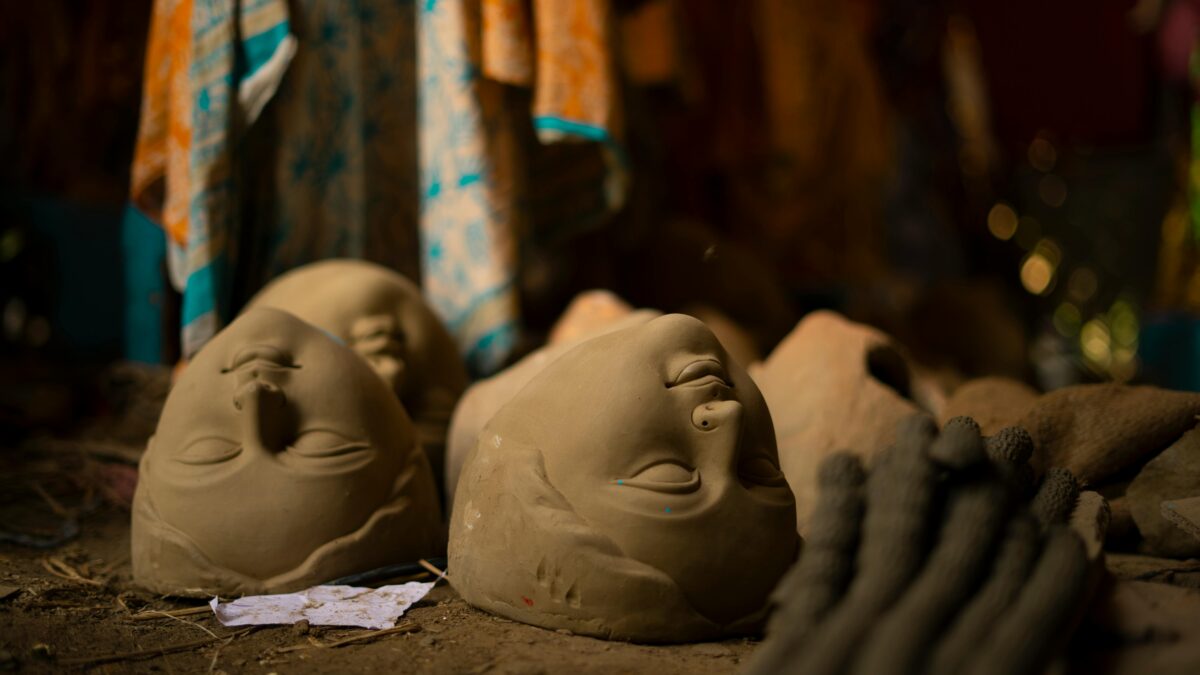
The meticulous care taken in selecting and adorning the murti for Durga Puja in West Bengal is another profound example. It’s not merely about choosing a beautiful idol; it’s about invoking the divine presence. The artisans who craft these idols pour their devotion into every brushstroke. Families often visit the workshops beforehand, offering prayers and seeking blessings. The day the murti arrives at home, or at the community pandal, is met with immense reverence. Incense fills the air, devotional songs are sung, and the aroma of jasmine flowers, intricately woven into garlands, permeates the surroundings. The aarti ceremony, performed with flickering lamps, signifies the dispelling of darkness and ignorance. My cousin, who lives in Kolkata, speaks of the profound peace she feels during these preparations. She says it’s as if the very act of preparing for the goddess imbues her with her strength and grace. One surprising fact is that in some traditional Bengali households, the murti is not merely decorated but is also given a “name” by the family, a deeply personal act of connection and devotion. This personal touch, this infusion of individual spirit, makes the festival preparation a deeply meaningful experience for everyone involved, far beyond the surface-level celebrations.
The true heart of Indian festival preparations lies not in the grand displays of wealth or the elaborate feasts, but in the quiet moments of shared effort, the whispered prayers, and the laughter that echoes through homes. It’s in the hands that meticulously fold diyas, the voices that hum ancient hymns, and the eyes that gleam with the shared anticipation of a tradition continued. These preparations are the threads that weave the fabric of our lives, binding us to our past and to each other with an unbreakable, beautiful strength.



Leave a Reply