
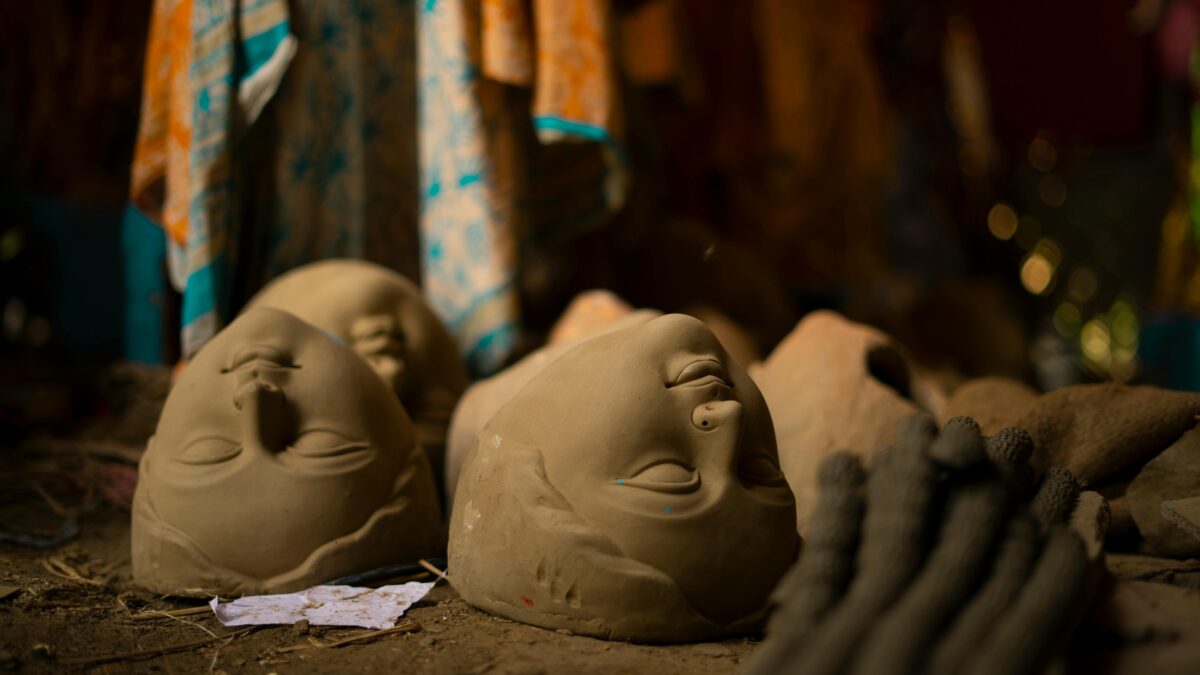
Indian festivals are celebrated in many different ways, but the preparation often follows a familiar pattern: clean the home, plan meals, organise shopping, prepare decorations and make time for family or community activities. A simple plan can make the celebration feel less rushed while leaving room for the traditions that matter most to you.
Start with a festival checklist
One week before the main celebration, write down everything that needs to happen and separate it into three groups: essential tasks, optional traditions and social commitments. This prevents a long list of small jobs from becoming overwhelming.
- Cleaning and household preparation
- Clothing and personal items
- Groceries and ingredients
- Gifts or charitable giving
- Decorations and lighting
- Religious or community arrangements
- Travel and visiting plans
Plan the kitchen before the shopping trip
Festival cooking becomes easier when you decide the menu first. Choose a mix of dishes that can be prepared ahead and a smaller number that need to be served fresh. Check pantry staples before buying new ingredients and estimate portions based on the people actually attending.
For everyday meal ideas, our healthy Indian recipes guide can help with planning beyond the festival menu.
Make cleaning manageable
Instead of trying to clean the entire home in one day, divide the work by area. Declutter first, clean surfaces second and handle detailed jobs last. If several family members are involved, assign clear tasks rather than asking everyone to “help” generally.
Decorations: tradition and practicality
Decorations can be simple. Diyas, flowers, rangoli, reusable fabric pieces and handmade decorations can create a festive atmosphere without requiring a large budget. Keep candles and lamps away from curtains, paper, children and other materials that can catch fire, and never leave an open flame unattended.
Different festivals, different preparations
Diwali
Common preparation may include cleaning, diyas, rangoli, sweets, savoury snacks, family visits and prayers. If fireworks are part of your celebration, follow local rules and safety guidance and keep children supervised.
Eid
Preparation can include planning the Eid meal, arranging clothing, preparing or buying sweets, visiting family and setting aside time for prayer and community activities. Sharing food and supporting people who need help can also be an important part of the celebration.
Navratri and Durga Puja
Preparation varies by region and family tradition. It can involve fasting arrangements, home decoration, community events, devotional activities and visits to pandals or temples. Check local schedules because timings and customs differ between places.
Budget without losing the spirit of the festival
Set a total festival budget and divide it across food, clothing, gifts, travel and decorations. Buying everything at the last minute can make spending harder to track. Reusable decorations and planned menus can reduce waste as well as cost.
Make room for people, not just tasks
A festival plan should protect time for family, friends and community. If the preparation schedule becomes so packed that nobody enjoys the celebration, remove lower-priority tasks. Traditions are valuable because of the meaning people give them, not because every detail has to be perfect.
Related on TrueStories: healthy Indian recipes and Indian street food recipes.
Frequently Asked Questions
How early should I start preparing for an Indian festival?
For a typical family celebration, one to two weeks is enough for basic planning. Larger gatherings or travel may require more time.
How can I reduce festival spending?
Plan the menu before shopping, set a gift budget, reuse decorations and avoid buying duplicate household supplies.
How can I make festival preparation less stressful?
Break tasks into small groups, delegate specific jobs and finish essential shopping early. Keep optional activities optional.
The best festival preparation is not the one with the longest checklist. It is the one that creates enough structure to handle practical work while leaving time for celebration, reflection, family and community.
Join the TrueStories community: Have a question, experience or practical tip related to this topic? Ask the community or share what you know.
Join the TrueStories community: Have a question, experience or practical tip related to this topic? Ask the community or share what you know.

Leave a Reply