
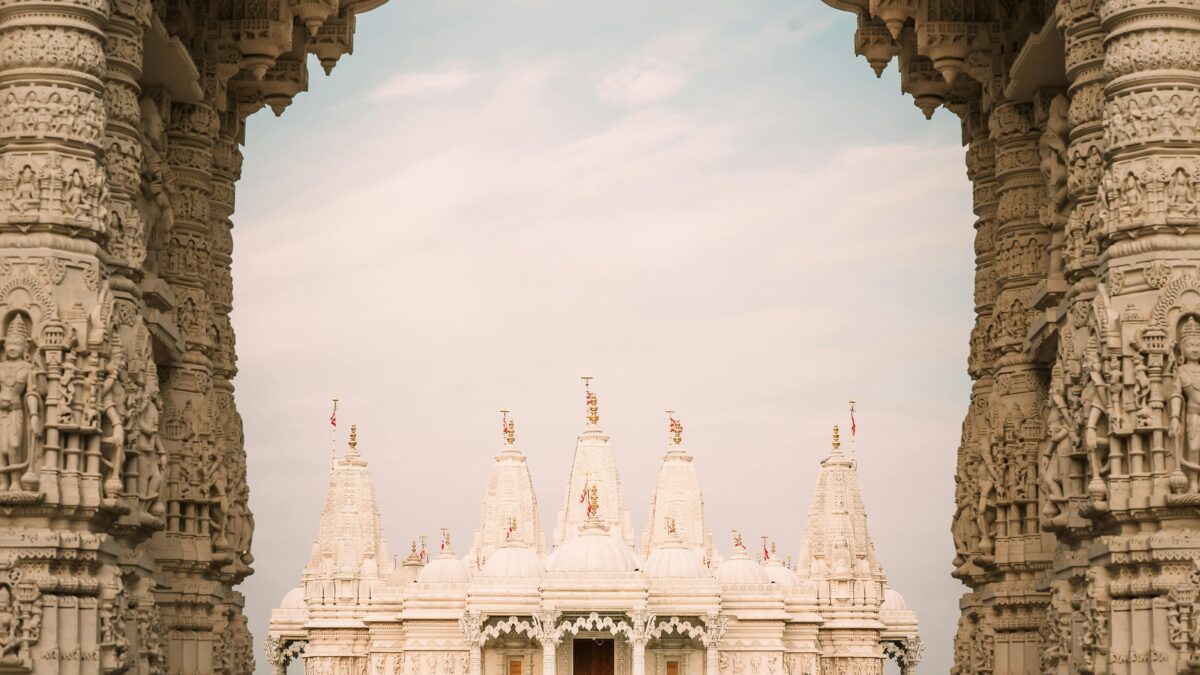
Ayodhya Ram Mandir: Feeling the Divine in the Air
The air in Ayodhya carries a palpable hum, a spiritual frequency that draws you in. It’s more than just a grand structure; it’s a living, breathing testament to unwavering faith.
Key Takeaways:
- Discover the unique spiritual atmosphere of the Ram Mandir.
- Hear personal accounts of profound devotional experiences.
- Understand the cultural significance and the blend of tradition and modernity.
- Learn how the Mandir is shaping the lives of devotees.
What can visitors expect at Ram Mandir?
Visitors can encounter a busy pilgrimage environment, devotional activity and substantial crowds, particularly around important dates and prayer periods. The experience is personal: some visitors describe the atmosphere as deeply devotional, while others may focus more on the architecture, rituals or practical aspects of the pilgrimage.
The sheer scale of the Mandir is awe-inspiring, a marvel of architecture. But it’s the subtle details that truly capture your heart. The intricate carvings, each telling a story, the cool marble underfoot, the diffused sunlight filtering through the high ceilings. It feels like stepping into a sacred space that has existed for centuries, even though it’s new. The devotional energy is so thick you can almost taste it. It’s like a collective prayer, amplified a thousandfold.
People from all walks of life, from bustling metros to remote villages, converge here. Their faces are etched with anticipation, with hope, and with a profound sense of peace. You see families holding hands, elderly couples leaning on each other, young people with their phones capturing the moment, but their eyes reflecting something far older and more profound than a digital image. The average number of daily visitors has been reported to be upwards of 200,000 since its opening, a testament to its magnetic pull. This isn’t just a pilgrimage site; it’s becoming a cornerstone of modern Indian spirituality.
Echoes of Devotion: A Personal Encounter
I met a woman named Meera from a small town near Mathura. Her eyes sparkled as she recounted her experience. She had been trying to visit for months, facing numerous delays. When she finally managed to secure a darshan slot, it was early morning, just as the sun was painting the sky. “It was like a dream,” she whispered, her voice thick with emotion. “The moment I saw the Shri Ram Lalla idol, all my worries just melted away. It wasn’t just seeing; it was feeling. A warmth spread through me, a sense of being seen, of being understood.”
Meera spoke of the quiet devotion of the priests, their meticulous rituals, and the serene atmosphere inside the Garbhagriha. She mentioned how the chants of “Jai Shri Ram” weren’t just shouts but a melodious symphony that resonated deep within her soul. She saw a young man, barely in his twenties, weeping silently, his hands clasped. He told her he had come to offer his gratitude for a difficult exam he had recently passed. This isn’t just about a deity; it’s about the personal victories and solace people find here.
The presence of the idol itself is said to be immensely powerful. Reports suggest that the delicate artistry of the idol, carved from a single piece of stone, captures the divine child in a way that evokes overwhelming paternal and maternal feelings in devotees. This emotional connection is what draws people back, what makes them travel hundreds of kilometers with immense hope. The Mandir is a space where individual prayers find a collective echo, amplifying their power and bringing a sense of shared spiritual purpose.
Beyond the Bricks: A New Spiritual Landscape
The Ayodhya Ram Mandir is more than just a religious monument; it’s a catalyst for a spiritual renaissance. It’s a place that seamlessly blends ancient traditions with modern sensibilities. You see devotees dressed in traditional attire standing alongside those in contemporary fashion. The efficiency of the management, the cleanliness, and the accessibility for pilgrims of all ages and abilities speak volumes about the thoughtful planning.
What’s truly surprising is how the Mandir has become a focal point for cultural revival. Local artisans are finding new avenues for their crafts, and there’s a resurgence of interest in traditional performing arts. The entire region is buzzing with an energy that’s both devotional and developmental. The number of hotels and guesthouses in Ayodhya has seen a significant surge, indicating its growing prominence as a spiritual tourism destination.
The “vibes” are real. They are the collective hopes, dreams, and unwavering faith of millions. It’s the feeling of connection, of belonging, of being part of something much larger than oneself. It’s the quiet understanding that washes over you, a sense of divine presence that lingers long after you leave. The Mandir is not just a destination; it’s a transformative experience that touches your soul.
The spiritual journey to Ayodhya is more than just a physical act of travel; it’s an inner pilgrimage. The devotion that permeates the air, the palpable sense of peace, and the profound personal connections forged within its sacred precincts create an unforgettable experience. It’s a testament to the enduring power of faith in shaping not just individual lives, but the very spirit of a nation.
Join the TrueStories community: Have a question, experience or practical tip related to this topic? Ask the community or share what you know.
Join the TrueStories community: Have a question, experience or practical tip related to this topic? Ask the community or share what you know.


Leave a Reply