
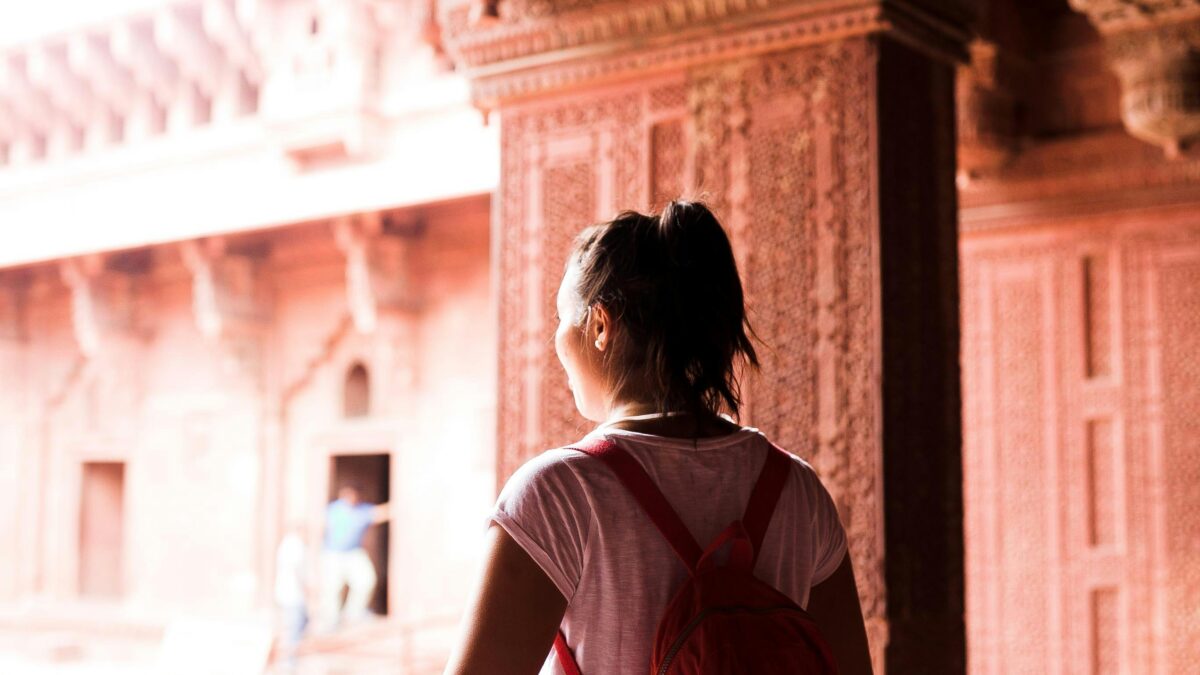
Travelling alone in India can be rewarding, but a good trip depends on preparation rather than bravado. The country spans very different cities, climates, transport systems and local customs, so the safest approach is to plan around the specific destination instead of treating India as one uniform travel experience.
Before you book
Start with a simple trip plan: where you will arrive, where you will stay, how you will travel between major stops and who will know your itinerary. Share your accommodation details and major travel legs with someone you trust. Keep copies of your identification, tickets, insurance details and important phone numbers in a secure digital location.
Choose accommodation for reliability
For a first solo trip, location and review quality usually matter more than finding the cheapest room. Look for established hotels, hostels or guesthouses with recent reviews, clear check-in information and easy access to transport. Read recent reviews for comments about the surrounding area, late-night arrival, staff behaviour and whether the property matches its photographs.
Plan arrivals, especially after dark
The first few hours in an unfamiliar city can be the most stressful. If your flight or train arrives late, arrange the first transfer in advance when practical. Use an official airport or railway transfer service, a reputable ride-hailing service or transport recommended by your accommodation. Avoid accepting unsolicited offers from people approaching you inside or immediately outside a transport hub.
Use a layered safety plan
- Keep your phone charged and carry a small power bank.
- Keep some emergency cash separate from your wallet.
- Share your live itinerary with a trusted person when travelling between cities.
- Use well-lit, populated routes when walking after dark.
- Trust your judgement if a situation feels uncomfortable; you do not need to be polite at the expense of your safety.
- Keep important documents and valuables secure rather than carrying everything together.
Getting around India
For intercity travel, compare the total journey rather than just the ticket price. A slightly more expensive option with a daytime arrival or a simpler transfer may reduce stress. In cities, use established public transport or reputable app-based taxi services. Before entering a taxi or auto-rickshaw, check the destination and fare arrangement so there is less room for confusion.
Respect local customs without losing your independence
India is culturally diverse. Clothing, photography, behaviour at religious sites and expectations around personal space can vary considerably. Research the customs of the places you are visiting, particularly temples, mosques, monasteries and rural communities. Following local rules is not the same as giving up your independence; it is a practical way to travel respectfully.
Food, water and personal routines
Keep your normal routines where possible. Carry drinking water when travelling between stops and be selective about food if you have a sensitive stomach. If you want to explore street food, start with busy stalls where food is being prepared and served continuously, and introduce unfamiliar dishes gradually.
For ideas on exploring local flavours, see our guides to Mumbai street food and Delhi street food.
What to do if something goes wrong
Move first to a safer, populated place and contact someone you trust. For serious emergencies, contact the relevant local emergency service or police authority. If you are staying at a hotel or hostel, staff may also be able to help with transport, translation or local directions. Keep the details of your country’s embassy or consulate available if you are an international traveller.
Simple solo-travel checklist
- Accommodation booked and address saved offline
- First transfer planned
- Phone, charger and power bank ready
- Identification and insurance information backed up
- Emergency contact informed of the itinerary
- Local transport options researched
- Weather and clothing requirements checked
Frequently Asked Questions
Is solo travel in India possible for women?
Yes. Many women travel independently in India, but the experience varies by destination and personal circumstances. Planning, situational awareness and choosing reliable transport and accommodation can reduce avoidable problems.
Which type of accommodation is easiest for a first solo trip?
A well-reviewed property in a convenient, populated location is a practical starting point. Prioritise recent reviews, clear check-in procedures and reliable transport access.
Should I travel at night?
There is no single rule for every destination. If you can choose, daytime arrivals and transfers are generally simpler to manage. If a late journey is unavoidable, arrange the transport in advance and keep someone informed.
Solo travel works best when independence is paired with preparation. The goal is not to remove every uncertainty, but to reduce preventable risks so you have more attention left for the places, people and experiences that made you travel in the first place.
Join the TrueStories community: Have a question, experience or practical tip related to this topic? Ask the community or share what you know.
Join the TrueStories community: Have a question, experience or practical tip related to this topic? Ask the community or share what you know.

Leave a Reply