
⏱ 6 min read
Indian Festival Prep: More Than Just Lights and Sweets
The air in our Kolkata neighbourhood hums differently as Durga Puja approaches. It’s not just the scent of jasmine and incense; it’s a palpable buzz of anticipation, a shared excitement that washes over everyone. This year, like every year, the preparations are a symphony of chaos and charm, a true testament to the spirit of Indian festivals.
Key Takeaways:
- Discover the intricate, multi-layered preparations that go into making Indian festivals a vibrant reality.
- Understand the deep cultural significance of rituals, community involvement, and shared experiences.
- Learn how seemingly mundane tasks transform into cherished memories and build lasting bonds.
- Uncover the unexpected joys found in the midst of festival frenzy.
The Unseen Symphony of the Artisan
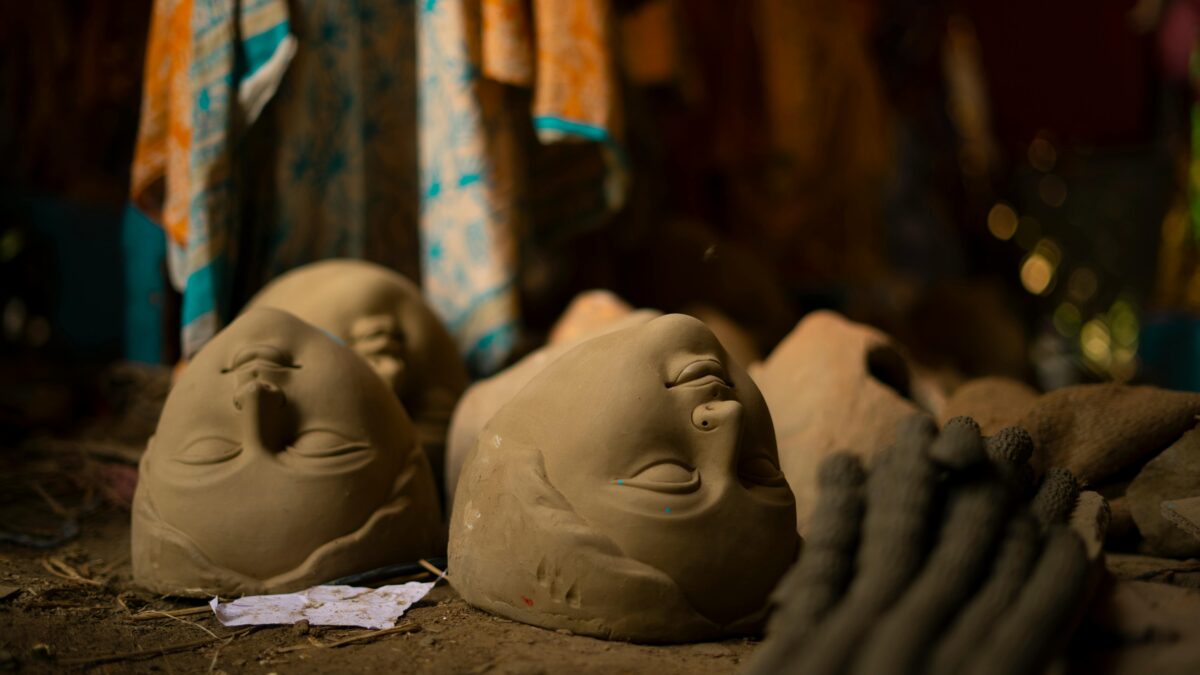
Before the first diya is lit or the first sweet is tasted, a silent army of artisans is already hard at work. Think about the intricate Durga idols being sculpted in Kumartuli, Kolkata. Each one is a masterpiece, a deity brought to life by skilled hands that have honed their craft over generations. I remember visiting a small workshop in Jaipur last Diwali; the craftsman, Mr. Sharma, was meticulously painting diyas with delicate floral patterns. He told me, with a twinkle in his eye, that each stroke held a prayer for prosperity and happiness for the families who would light them. He wasn’t just painting clay; he was painting wishes.
This dedication is echoed across the country. In Tamil Nadu, the kolam artists are planning their intricate rice flour designs, each pattern a blessing for good fortune. In Maharashtra, the rangoli makers are gathering vibrant colours, ready to transform doorsteps into ephemeral works of art. These aren’t just decorative elements; they are imbued with deep cultural meaning, a visual language of devotion and celebration. One surprising fact I learned is that some traditional kolam patterns are actually designed to attract insects, providing them with food and thus promoting ecological harmony – a beautiful intersection of art and nature. The sheer volume of work involved is staggering. Think of the thousands of pandals that need to be erected, decorated, and illuminated for Durga Puja alone. It’s a logistical marvel, a testament to meticulous planning and community effort.
[Related: The Art of Indian Festivals: A Visual Journey]
Gathering the Threads of Togetherness
Festivals in India are rarely solitary affairs. They are woven from the collective spirit of families, friends, and neighbours. The preparations themselves become an integral part of the celebration, fostering a sense of belonging and shared purpose. Take the annual tradition of making gujiyas for Holi in North India. Whole families gather in the kitchen, the younger ones playfully attempting to seal the edges while the elders expertly fold and fry. Laughter fills the air, stories are exchanged, and the sticky sweetness of the filling somehow binds everyone closer. My aunt, a formidable cook from Amritsar, always insists on making mathri for Diwali weeks in advance. It’s a time when cousins who haven’t seen each other all year are back in the ancestral home, helping roll dough and chat about their lives.
This communal spirit extends beyond immediate families. In many towns, neighbourhood committees organise puja preparations, dividing tasks and pooling resources. The women might be busy stitching new clothes or preparing elaborate prasad, while the men are coordinating with electricians for lighting or arranging for musicians. I witnessed this firsthand in a small village near Mysuru during Dasara. The entire community came together to decorate the streets with colourful banners and to prepare for the grand procession of the deity. They worked tirelessly, fueled by chai and a shared sense of pride. It’s a beautiful dance of collective effort, where each person plays a vital role. This year, it’s estimated that over 50,000 people will be involved in the preparations for the Durga Puja in Kolkata, a staggering number highlighting the scale of community participation.
The Rituals: More Than Just a Checklist
At the heart of every Indian festival lie its rituals. These aren’t just rote actions; they are deeply ingrained practices that connect us to our past, our beliefs, and each other. For Diwali, the meticulous cleaning and decorating of the house is a ritual in itself, symbolising purification and welcoming prosperity. Then there’s the aarti, the waving of lamps, a moment of collective devotion that transcends individual worries. I remember my grandmother, a devout woman from Banaras, performing the evening aarti with such grace and focus. For her, it wasn’t just a religious ceremony; it was a conversation with the divine, a way to express gratitude for the year’s blessings.
Even seemingly simple acts have profound meaning. The offering of modak to Lord Ganesha during Ganesh Chaturthi in Maharashtra is more than just a sweet treat; it’s a symbol of abundance and the removal of obstacles. The meticulous preparation of bhog for Durga Puja, with its specific ingredients and cooking methods, is an act of devotion, an offering of love. It’s fascinating to learn that some rituals, like the lighting of the akhand jyoti (eternal flame) during certain pujas, are believed to ward off evil spirits and bring blessings for generations. The sheer dedication involved in observing these traditions, often passed down through word of mouth and practice, is a testament to their enduring significance in our lives. It’s a reminder that festivals are not just about grand celebrations, but about the quiet, sacred moments that anchor us.
The Unfolding Magic of Tradition
The true magic of Indian festival preparations lies not just in the dazzling lights or the delectable sweets, but in the shared human experience. It’s in the laughter echoing in a bustling kitchen, the quiet concentration of an artisan’s hands, and the collective hum of devotion during a prayer. These moments, often born out of seemingly endless tasks, weave a rich tapestry of memories that bind us to our roots and to one another. As the scent of incense and marigolds fills the air, and the vibrant colours of rangoli greet the dawn, remember that behind every joyous celebration lies a story of dedication, community, and the enduring power of tradition. It’s a magic that, once experienced, stays with you long after the last firecracker fades.




Leave a Reply