
⏱ 5 min read
Healthy Indian Recipes: Delicious Meals That Nourish
My grandmother’s kitchen always smelled of spices and love. It was a place where every meal was a celebration, but what if I told you those comforting dishes could also be incredibly good for you? Forget the myth that healthy eating means bland food. We’re talking about vibrant flavours that power your body.
Key Takeaways:
- Discover how to make traditional Indian favourites lighter without losing taste.
- Learn simple swaps for common ingredients to boost nutritional value.
- Understand the ancient wisdom behind Indian spices for health and flavour.
- Get practical tips for incorporating these healthy recipes into your busy life.
Rethinking the Dal: More Than Just Lentils
Growing up in Mumbai, dal was a daily affair. We had toor dal, masoor dal, moong dal – each with its own character. But often, the tadka (tempering) involved generous amounts of ghee and oil. My mother, bless her heart, started experimenting. She’d use just a teaspoon of ghee for the tadka, and instead of deep-frying onions, she’d sauté them until golden. She also discovered the magic of adding a handful of spinach or grated bottle gourd to the dal. It made it richer, more filling, and packed with extra vitamins.
One evening, she made a moong dal with bottle gourd. I was skeptical. “Where’s the flavour, Aai?” I asked. She just smiled. “Taste it,” she said. It was incredible. The subtle sweetness of the gourd, the comforting spice of cumin and turmeric, and the earthy goodness of the moong dal. It was a revelation. This wasn’t just dal anymore; it was a complete meal. I later learned that a typical serving of dal can have its fat content reduced by up to 40% with these simple modifications. It’s about making conscious choices, not sacrifices.
This approach isn’t about abandoning tradition; it’s about evolving it. Think of it as giving your favourite childhood recipes a modern, healthy makeover. We’re not just cooking food; we’re nourishing our bodies and souls. It’s a philosophy that has trickled down through generations, adapting to new knowledge while holding onto the essence of home-cooked goodness.
The Humble Sabzi, Elevated
Vegetable dishes, or sabzis, are the unsung heroes of Indian meals. From the fiery aloo gobi of Punjab to the delicate bhindi masala of Maharashtra, each region boasts its own unique preparations. My aunt, who lives near Jaipur, is a master of the gatte ki sabzi. Traditionally, the gram flour dumplings are fried before being simmered in a yoghurt-based gravy. It’s delicious, but heavy.
She shared her healthier version with me a few years ago. Instead of frying the gatte, she steam-cooks them. This drastically cuts down on the oil. Then, for the gravy, she uses low-fat yoghurt and thickens it with a little chickpea flour instead of relying solely on cream or excessive oil. She also insists on using a variety of vegetables, like adding carrots, peas, and even some diced paneer to the gravy itself. This makes the dish a powerhouse of fibre and protein.
I remember visiting her during a monsoon. The air was thick with the smell of rain and her kitchen. She served this lighter gatte ki sabzi with bajra roti. It was a meal that felt both indulgent and incredibly light. I felt energized, not weighed down, ready to enjoy the rain. Studies show that incorporating more fibre-rich vegetables into your diet can improve digestion and help manage weight. Auntie’s cooking was proof of this ancient wisdom. It’s about using the bounty of the earth wisely.
[Related: Stories about regional Indian cuisine and its healthy adaptations on truestories.in]
Spice Up Your Life: Nature’s Pharmacy in Your Kitchen
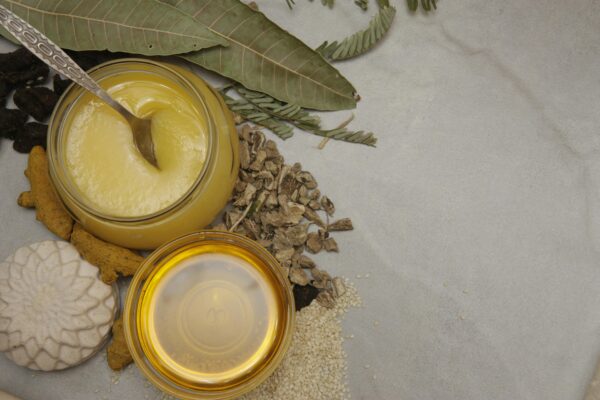
The true magic of Indian cooking lies in its spices. Turmeric, ginger, garlic, cumin, coriander, fenugreek – these aren’t just flavour enhancers; they are potent sources of antioxidants and anti-inflammatory compounds. My own journey into healthier eating began with truly understanding these spices. I used to think more spice meant more heat, but I learned it’s about balance and benefit.
Take turmeric, for instance. Its active compound, curcumin, has been linked to numerous health benefits. My grandmother would often add a pinch of turmeric to warm milk with honey when I had a cough. It felt like a hug from the inside. Or consider ginger, a natural digestive aid. A simple ginger tea can work wonders after a heavy meal.
A surprising revelation for me was the power of methi (fenugreek) seeds. They have a slightly bitter taste, but soaking them overnight and adding the water to your dough or using the sprouted seeds in salads can help regulate blood sugar levels. Many diabetics in India swear by this simple home remedy. It’s a fact that regular consumption of certain spices like cinnamon and cloves has been shown to improve insulin sensitivity. This isn’t just about adding zest; it’s about tapping into nature’s pharmacy, right in our own kitchens. It’s a culinary wisdom passed down through ages, a testament to how our ancestors intuitively understood the body’s needs.
The journey to healthier Indian cooking isn’t about deprivation; it’s about exploration and intelligent choices. It’s about rediscovering the vibrant, wholesome meals our grandmothers prepared with love and wisdom. By making small, conscious adjustments to our beloved recipes, we can create dishes that not only delight our taste buds but also nourish our bodies from within. This is the enduring legacy of Indian cuisine – a symphony of flavours that sustains and heals, proving that healthy and delicious can indeed go hand-in-hand, making every meal a step towards a more vibrant life.


Leave a Reply