
⏱ 5 min read
Indian Festival Preparations: More Than Just Lights and Sweets
The air in my childhood home in Jaipur always thickened with a unique aroma a month before Diwali. It wasn’t just the scent of spices; it was the intoxicating perfume of anticipation, a blend of marigold garlands, fresh paint, and my mother’s secret mathri recipe. This season, as the first hints of cooler weather touch Delhi, that same feeling stirs, a powerful reminder that the heart of India beats loudest in its festival preparations.
The Symphony of the Bazaar
Long before the first diya is lit, the Indian bazaar transforms into a vibrant, pulsating organism. Weeks ahead, the rhythm of life quickens. Stalls mushroom, showcasing everything from shimmering silks and intricate jewellery to fragrant spices and an endless array of decorative items. I remember accompanying my grandfather to Chandni Chowk in Delhi, the narrow lanes teeming with people, the cacophony of hawkers, and the sheer sensory overload. He’d patiently navigate the crowds, his eyes scanning for the perfect rangoli colours, the brightest marigolds, and the crispiest namkeen for our guests. The sheer variety can be overwhelming, but it’s in this organised chaos that the true spirit of preparation begins.
It’s not just about buying things; it’s a ritual in itself. Bargaining for that perfect silver kalash, the friendly banter with the shopkeeper who knows your family’s preferences, the shared excitement of finding that one unique item. This year, I saw a young couple in a small market in Lucknow, meticulously choosing earthen pots for their Diya display, their faces alight with a shared purpose. They weren’t just buying pots; they were crafting memories. Studies suggest that the economic activity surrounding major Indian festivals like Diwali can contribute significantly to GDP, but the real value lies in the human connections forged in these bustling marketplaces. Every transaction is a mini-story, a fleeting moment of shared humanity amidst the grand narrative of the upcoming celebration.
Grandma’s Secret Recipe and the Art of Patience
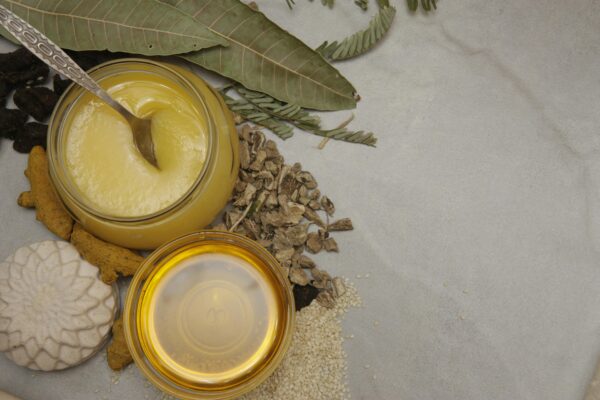
The kitchen, for many Indian families, becomes the epicentre of festival preparations. It’s where tradition is kneaded into dough and simmered into sweetness. My Dadi (grandmother) in her small village near Udaipur would start her ladoo preparations days in advance. The aroma of roasted besan and ghee would fill the air, a signal that something special was brewing. She’d tirelessly roll hundreds of them, her hands moving with an almost meditative grace. Each ladoo was more than just a sweet; it was a testament to her love, her patience, and her deep understanding of our family’s culinary heritage.
This year, my aunt in Mumbai, facing a sudden shortage of a specific spice for her Gajar ka Halwa, was initially distraught. The delivery was delayed by two days. Instead of panicking, she embraced the unexpected. She decided to experiment, substituting it with a blend of local cardamom and nutmeg. The result? A revelation. The halwa tasted even richer, imbued with a unique warmth that surprised everyone. It was a beautiful reminder that sometimes, the smallest hiccups in our meticulously planned preparations can lead to the most delightful discoveries. The pressure to get everything “perfect” often overshadows the joy of the process. When things don’t go exactly as planned, it forces us to be creative, to adapt, and often, to find a deeper appreciation for the simple act of creation. This resilience, this ability to find joy even amidst minor imperfections, is a core tenet of Indian festive spirit.
The Unseen Threads of Community
Beyond the individual homes and bustling bazaars, the true magic of Indian festival preparations lies in the collective spirit. It’s in the neighbourhood puja committees coordinating decorations, the impromptu gatherings of friends helping each other clean and decorate, the sharing of homemade sweets and savouries. I recall a Ganesh Chaturthi celebration in Pune where the entire lane came together. We collectively sculpted the idol, painted the mandap, and organised the aarti. Strangers became friends over shared tasks, their laughter echoing through the evening.
This year, a close friend in Chennai shared a story about their building society organising a Diwali mela. Residents contributed handmade crafts, baked goods, and traditional snacks. The elderly residents shared stories of festivals past, while the younger generation learned traditional games. It wasn’t just an event; it was a reaffirmation of their shared identity and a beautiful exchange of cultural knowledge. This communal effort, this weaving of individual threads into a collective tapestry, is what makes Indian festivals so profoundly meaningful. It’s a powerful counter-narrative to the increasing individualism we often see. It reminds us that our roots are deep, nurtured by the soil of community and shared experience. The preparations, therefore, are not just about individual tasks; they are acts of love that bind us together.
The preparations for any Indian festival are a rich, complex dance. They are a vibrant spectrum of colour, sound, and aroma, yes, but more importantly, they are a testament to the enduring power of human connection. They are the quiet moments of devotion, the boisterous laughter of shared tasks, and the unwavering belief in traditions that have been passed down through generations. This year, as the skies begin to fill with the colours of celebration, remember that the true joy isn’t just in the grand finale, but in the heartfelt journey of creation that brings us all closer.


Leave a Reply