
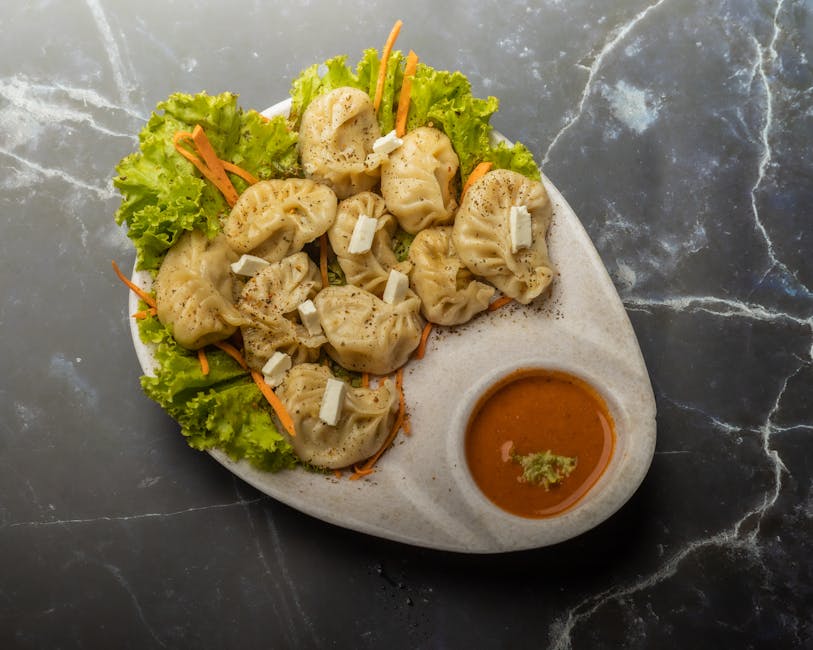
The sizzle of chaat on a hot griddle, the comforting embrace of a perfectly crisp dosa – these are the scents that whisper “home” to millions across India. We chase these flavours, often finding them at the vibrant, bustling corners of our cities, but what if that same magic could blossom in your own kitchen, right here in our beloved India? This isn’t merely about replicating dishes; it’s about safeguarding cherished memories and sharing a sliver of our very soul.
Key Takeaways:
- Discover how to bring the authentic taste of Indian street food into your home.
- Learn simple, yet impactful, techniques to infuse your daily cooking with the essence of regional Indian spices.
- Understand the deep cultural roots and stories woven into popular street food creations.
- Build the confidence to embark on your Indian recipe journey, regardless of your cooking experience.
Bringing the Streets to Your Kitchen
Do you recall that first, unforgettable bite of a pani puri? That explosion of tangy, spicy liquid, the sheer, unadulterated joy of it – that’s the sensation we’re aiming for. For so many of us, these street food encounters are intricately woven into the tapestry of our childhoods. Picture the familiar aloo tikki vendor near your school in Delhi, or the ever-present vada pav stall on a packed Mumbai local train. These aren’t just snacks; they are edible chapters of our lives. Recreating them at home is less about achieving culinary perfection and more about forging a connection. It’s a way to honour the tireless vendors who craft these delights with such dedication, and to infuse your own table with that same love and care. We often fall prey to the notion that street food is too complex for home cooking, but that’s simply a myth. With a few clever tips and the right ingredients, you can unlock an incredible world of flavour. Did you know that a mere pinch of asafoetida, or hing, can utterly transform a simple lentil dish, lending it an umami depth that’s incredibly difficult to replicate otherwise? It’s these subtle secrets that lend Indian cooking its profound magic.
How to Build Street-Food Flavour at Home
Street-food flavour at home usually comes from a few controllable details: fresh chutneys, freshly ground spices, careful tempering and the right cooking temperature. For pakoras and similar fried snacks, a well-seasoned gram-flour batter with coriander and ajwain can add depth, while mustard oil can provide a distinctive aroma when used appropriately. The goal is not to copy one vendor exactly, but to balance sour, sweet, salty, spicy and savoury elements.
Beyond the Recipe: The Soul of Indian Flavours
To truly understand Indian street food recipes is to go beyond the mere sequence of steps. It’s about appreciating the exquisite balance of flavours – the interplay of sweet, sour, spicy, and savoury – that is the very essence of our cuisine. Consider, for example, the unassuming bhel puri. It’s a vibrant symphony of textures: crunchy puffed rice, yielding boiled potatoes, a medley of tangy tamarind and spicy green chutneys, all brought together with a refreshing squeeze of lemon. Each component plays an indispensable role. A common misconception is that authentic Indian food is invariably scorching hot. While spice is undeniably a cornerstone, true Indian cooking is about the artful layering of flavours, not just the intensity of heat. The sweetness from dates in tamarind chutney, for instance, perfectly tempers the chilli, and the cooling embrace of yogurt in dahi puri acts as a soothing counterpoint to the spices. A startling insight for many home cooks is that numerous street food recipes rely on surprisingly few ingredients; it is the ingenious way they are combined and cooked that renders them extraordinary. It often boils down to mastering basic techniques like the art of tempering spices, known as tadka, or achieving the perfect, luscious consistency for chutneys. Even a seemingly simple dish like aloo chaat can be transformed into a revelation by a perfectly crafted tamarind chutney and a delicate sprinkle of roasted cumin powder.
Related on TrueStories: Delhi street food guide and healthy Indian recipes.
Frequently Asked Questions
Q1: How can I achieve authentic street food flavours at home without using excessive oil? Authenticity in street food often stems from the judicious use of spices and the harmonious balance of flavours, rather than an abundance of oil. Focus on sourcing fresh ingredients, perfecting your chutneys, and skillfully employing tempering techniques (tadka). For a desirable crispiness, consider shallow frying or air frying certain items.
Q2: What are the indispensable Indian spices I should have for street food recipes? Essential spices include cumin (jeera), coriander (dhania), turmeric (haldi), red chilli powder (lal mirch), asafoetida (hing), mustard seeds (rai), and garam masala. Don’t forget the crucial fresh elements like ginger, garlic, green chillies, and coriander leaves.
Q3: Can I prepare street food components like chutneys in advance? Absolutely! Chutneys, particularly tamarind chutney and mint-coriander chutney, can be prepared a day or two ahead of time and stored in an airtight container in the refrigerator. This significantly streamlines the process when you’re ready to assemble your street food creations.
The journey of recreating Indian street food within your own home is a delightful adventure, a beautiful way to reconnect with our heritage, and a powerful testament to the enduring allure of flavour. Each spice, each preparation, carries a story. Let your kitchen transform into a vibrant canvas, painting with the vivid hues of India’s most cherished street food, and share not just a meal, but a heartfelt experience with those you hold dear.
Join the TrueStories community: Have a question, experience or practical tip related to this topic? Ask the community or share what you know.



Leave a Reply