

⏱ 5 min read
Indian Food Adventures: Taste India’s Untamed Flavours
Have you ever craved a taste of India so potent, it transports you to a bustling Mumbai lane or a serene Kerala backwater? Forget the usual restaurant fare; the real magic lies in the stories whispered through generations of spice and sweat.
The Spice Trail Begins in Your Own Backyard
It started, as most great adventures do, with a simple craving. I was sitting in my Delhi apartment, scrolling through r/IndianFoodAdventures, a subreddit that had become my daily dose of culinary wanderlust. Someone had posted a picture of panki, a Gujarati steamed rice pancake cooked in banana leaves, and my taste buds practically sang. It wasn’t something you’d find in your average North Indian restaurant.
This is the beauty of India’s food landscape. It’s not a monolith; it’s a kaleidoscope. From the fiery thalis of Rajasthan to the delicate dosas of the South, each region boasts its own culinary soul. And often, the most extraordinary flavours are tucked away in unassuming corners, waiting to be discovered. We often stick to what we know, the familiar butter chicken or paneer tikka, but the real adventure lies in stepping outside that comfort zone. It’s about seeking out the stories behind the dishes, the hands that have perfected them over decades. Think about Bhut Jolokia chili from Assam – so potent, it’s listed in the Guinness Book of World Records. That’s the kind of raw, untamed flavour I’m talking about. It’s a testament to the sheer diversity of ingredients and culinary traditions that India offers.
A Taste of Home in the Himalayas
My first real “adventure” wasn’t even in a far-off land, but in Shimla. I was visiting my aunt, a woman whose kitchen was a constant hum of activity. She’d been telling me about siddu, a Himachali steamed bread, stuffed with walnuts and local herbs. I’d heard of it, of course, but had never tried it. She insisted, “You must try this. This is what real Himachali food tastes like, not the tourist traps.”
One crisp afternoon, she presented a steaming plate of siddu, served with a dollop of ghee and a spicy apricot chutney. The dough was soft, slightly chewy, and the walnut filling was earthy and aromatic. It was unlike anything I had ever eaten. My aunt, Mrs. Sharma, explained that the recipe had been passed down from her grandmother, who learned it from her mother in a small village near Kullu. This wasn’t just food; it was a legacy. She told me, “We don’t use exact measurements. It’s in the feel of the dough, the aroma of the spices. It’s in the love we put in.” She recounted how, as a child, she would help her mother grind the spices on a traditional stone sil batta, the rhythmic grinding a familiar soundtrack to her childhood. The local markets in Shimla, she said, were the best place to find fresh walnuts and the specific herbs that gave siddu its unique flavour. She mentioned that the kangri – a traditional portable charcoal brazier used in the region – was often used to keep the siddu warm, a practice that has now become a nostalgic memory for many.
Navigating the Spice Bazaar: A Sensory Overload
The true spirit of Indian food adventures often involves navigating the vibrant, chaotic heart of local markets. Forget your sterile supermarkets; it’s in the mandis that you find the soul of the cuisine. Take Chandni Chowk in Delhi, for instance. It’s not just a place to buy spices; it’s an education. I remember walking through its narrow lanes, the air thick with the mingled scents of cardamom, cumin, turmeric, and something I couldn’t quite place – perhaps fenugreek?
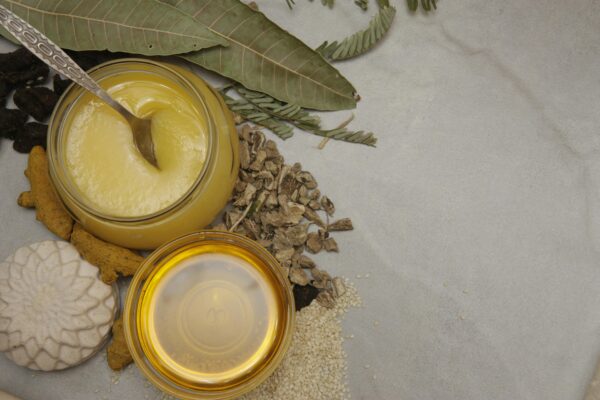
The vendors, with their weathered hands and knowing eyes, are living encyclopedias of flavour. I once stopped at a tiny stall, barely bigger than a cupboard, where an old man was selling a vibrant red powder. He called it lal mirch, but it had a smoky, complex aroma far removed from the usual chilli powder. He explained it was a special blend of sun-dried chillies from Guntur, Andhra Pradesh, roasted over coal fires. He even offered me a tiny pinch to taste – it was fiery, yes, but also sweet and deeply flavourful. He told me he had been selling spices there for over fifty years, inheriting the stall from his father. He also shared a fascinating fact: that while turmeric is known for its vibrant yellow colour, it also contains curcumin, a compound with significant antioxidant and anti-inflammatory properties, a secret weapon in traditional Indian remedies for centuries. He cautioned me, though, about the importance of buying whole spices and grinding them fresh for the best flavour. He winked and said, “Pre-ground spices are like old news; they’ve lost their punch.” This encounter reinforced the idea that each spice has a story, a journey, and a purpose beyond just adding heat or colour. It’s about understanding the provenance, the preparation, and the subtle nuances that elevate a dish from ordinary to extraordinary.
The art of finding these authentic experiences is often about patience and observation. Don’t be afraid to ask questions. Talk to the shopkeepers, the cooks, the locals. They are the keepers of these culinary secrets. My own journey has taught me that the most rewarding meals are often the ones that come with a story, a connection to the land and the people who cultivate its bounty. It’s about embracing the unexpected, the slightly intimidating, and the utterly delicious. The next time you feel that pull towards India’s incredible food, remember that the greatest adventures are often found just beyond the familiar. They are in the shared laughter over a steaming plate of something new, the hesitant first bite, and the joyous discovery of a flavour that will linger long after the meal is over. This is more than just eating; it’s about experiencing India, one incredible bite at a time.


Leave a Reply